
Introduction
Walk down any street in Toronto, London, or New York, and you will likely see someone exhaling a cloud of vapor. It feels like a phenomenon that appeared overnight—a 21st-century gadget defined by lithium-ion batteries and sleek designs. But is vaping really a modern invention?
The truth is far more complex and fascinating. While the electronic cigarette as we know it is a relatively recent product, the concept of inhaling vapor for flavor or health dates back thousands of years. The journey from ancient hot stones to the high-tech, AIG-protected orders shipping from our Canvapeshop warehouse today is a story of failed patents, garage inventors, and a technological revolution that changed the world of tobacco forever.
The Short Answer: Who Invented the Vape? While the modern commercial e-cigarette was invented by Chinese pharmacist Hon Lik in 2003, the concept was actually patented back in 1963 by an American named Herbert A. Gilbert. However, due to technological limitations and tobacco lobbying, Gilbert’s invention never hit the market. It took forty years for battery technology to catch up with the idea.
Table of Contents
-
Ancient History: Vaporizing Before Electricity
-
The Forgotten Pioneer: Herbert A. Gilbert (1963)
-
The Father of Modern Vaping: Hon Lik’s Dream (2003)
-
The "Cigalike" Era and the Entry to the West (2007-2009)
-
The Grassroots Revolution: The Birth of "Mods" (2010-2014)
-
The Golden Age of Sub-Ohm and Cloud Chasing (2015-2018)
-
The Nicotine Salt Shift: How JUUL Changed the Game
- The Form Factor Wars: The Evolution of Disposables, Pods, and Open Systems
-
The Modern Era: Disposables, AI, and Reliability
-
Why the Future of Vaping belongs to Trusted Retailers
-
FAQ: Common Historical Questions
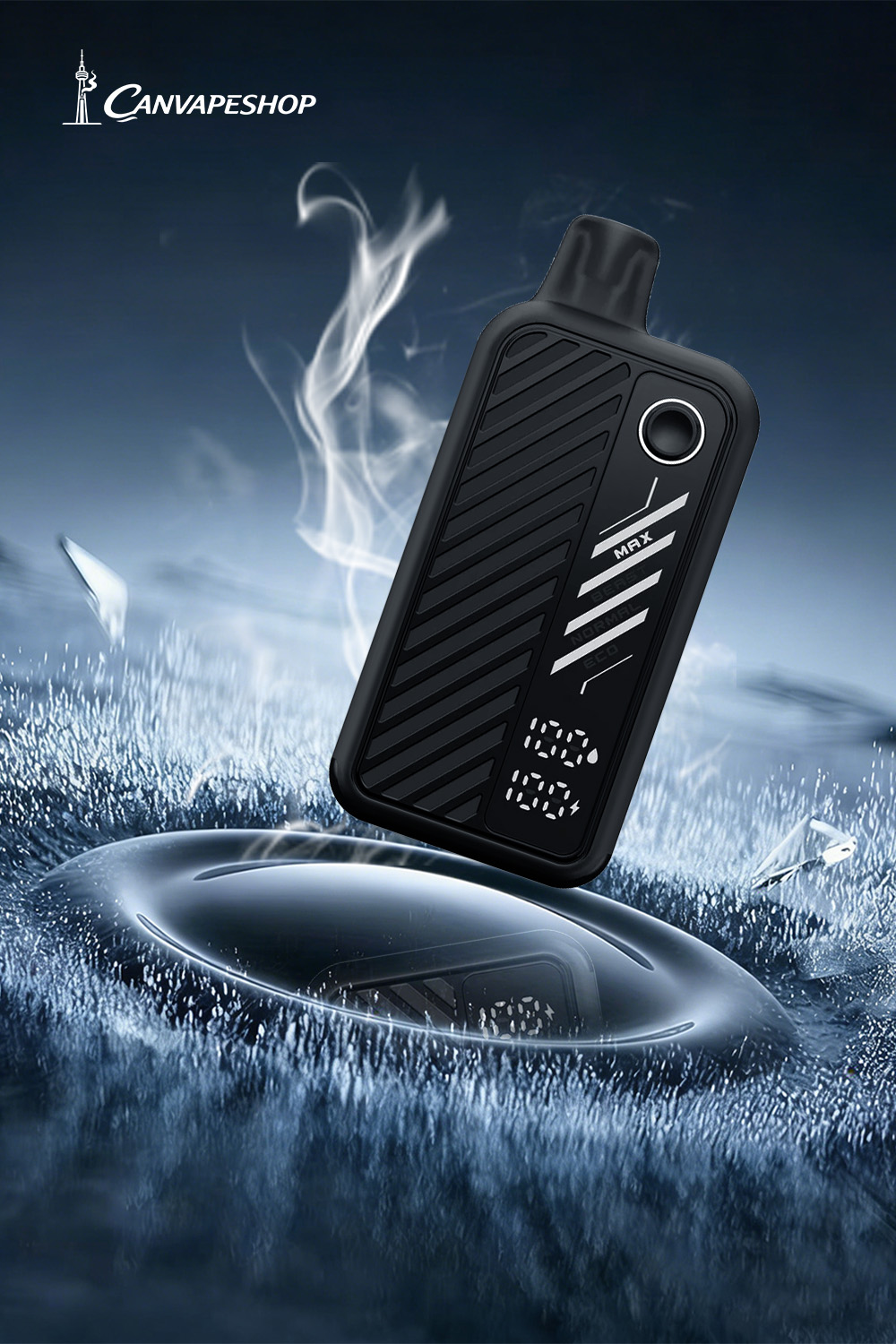
1. Ancient History: Vaporizing Before Electricity
To understand the history of vaping, we must look further back than the battery. The core definition of vaping is vaporization—turning a substance into gas without burning it (combustion).
The Scythians and Egyptians History books, including the writings of Herodotus in the 5th century B.C., describe the Scythians throwing hemp seeds onto red-hot stones to create a vapor bath. They would inhale the vapors and shout for joy. Similarly, in ancient Egypt, hot stones were used to vaporize oils for aromatherapy.
** The Hookah (Shisha)** Originating in India and Persia around the 15th century, the Hookah was a major step forward. Although it uses charcoal (combustion), the smoke is cooled and filtered through water, creating a smoother experience. This introduced the world to the social aspect of inhaling flavored smoke—a cultural precursor to the "vape lounges" of the 2010s.
2. The Forgotten Pioneer: Herbert A. Gilbert (1963)
Fast forward to the 20th century. In 1927, a man named Joseph Robinson filed a patent for a "Mechanical Butane Ignition Vaporizer," but it was never clear if a prototype was made. The real grandfather of the vape is Herbert A. Gilbert.
The 1963 Patent Gilbert, a scrap metal dealer from Pennsylvania, was a two-pack-a-day smoker who hated the coughing and the smell. He applied for a patent for a "Smokeless Non-Tobacco Cigarette." His design was remarkably similar to modern vapes:
-
It used a battery power source.
-
It had a heating element.
-
It used flavored water (mint, cinnamon) to create steam.
Why Did It Fail? Gilbert built prototypes and showed them to major chemical and tobacco companies. He was laughed out of the room.
-
Technology: Battery tech in 1963 was bulky and expensive.
-
Industry Resistance: Tobacco companies were in their golden age. They had no interest in a product that would cannibalize their cigarette sales.
-
Timing: The Surgeon General’s report on the dangers of smoking hadn't fully impacted the public consciousness yet.
The patent expired, and the idea of the "electronic cigarette" gathered dust for another 40 years.
3. The Father of Modern Vaping: Hon Lik’s Dream (2003)
The true birth of the vaping industry happened in Beijing, China, in 2003.
The Motivation Hon Lik, a 52-year-old pharmacist, was a heavy smoker. His father, also a heavy smoker, was dying of lung cancer. Watching his father struggle to breathe, Hon Lik was desperate to quit smoking but found patches and gums ineffective.
Legend has it that one night, he fell asleep with a nicotine patch on and had a vivid dream. He dreamt he was drowning in a sea, the water turning into a cloud of vapor that he could breathe. He woke up with an idea: What if he could replicate the sensation of smoking without the tar?
The Ruyan (Like Smoke) Hon Lik utilized his background in mechanics to create a device using a high-frequency piezoelectric ultrasound-emitting element to vaporize a pressurized jet of liquid containing nicotine. He named the company Ruyan (meaning "Like Smoke").
Later, the ultrasound technology was replaced by a heating element (coil) because it was cheaper and more effective. This—a battery, a coil, and a wick—became the blueprint for every vape sold today. By 2006, Ruyan began exporting to Europe and the Middle East.
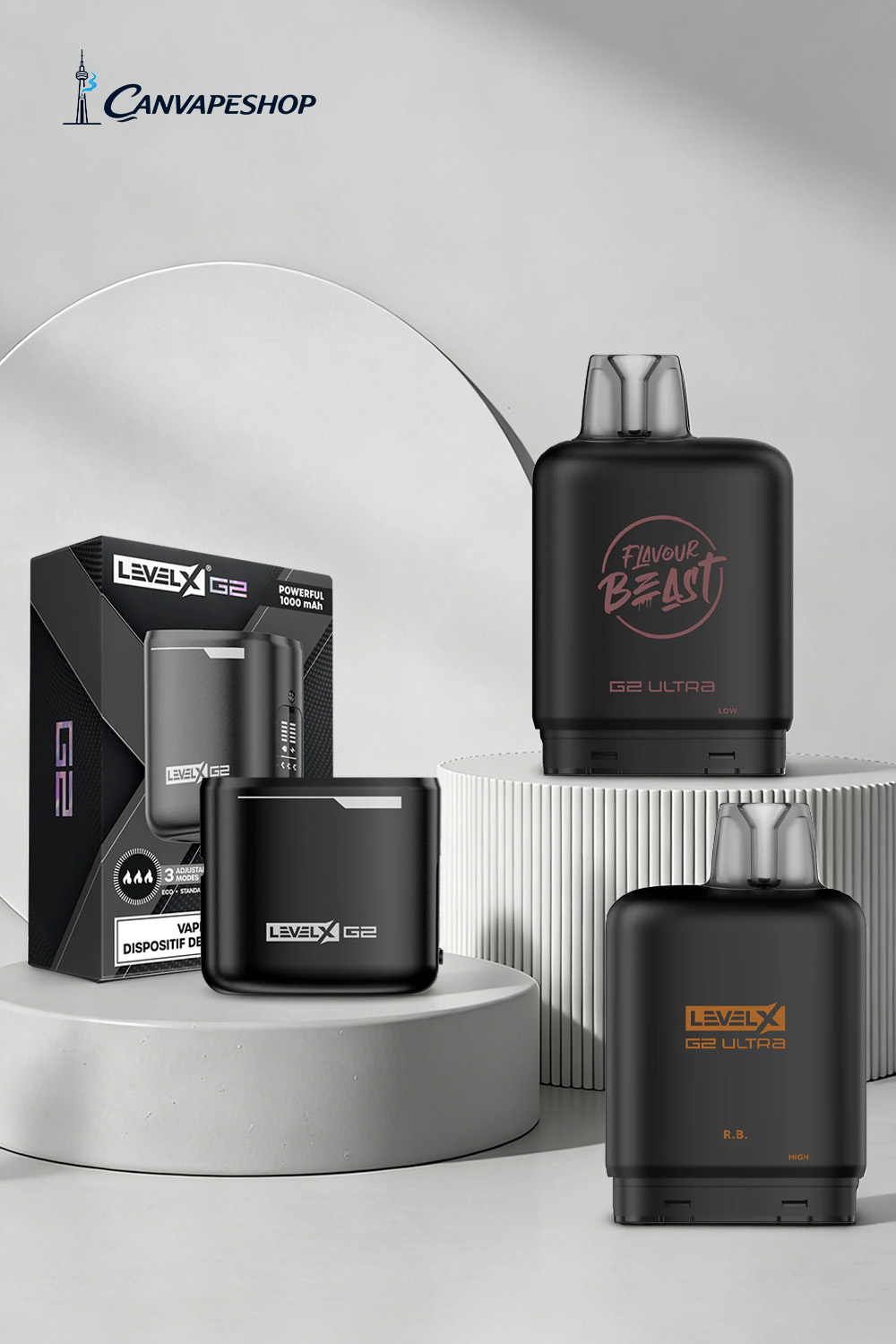
4. The "Cigalike" Era and the Entry to the West (2007-2009)
When vapes first hit the US and Canadian markets around 2007, they didn't look like the colorful bars we see at Canvapeshop today. They looked exactly like traditional cigarettes.
The Cigalike These devices had a glowing orange LED tip to mimic ash and were colored white and tan.
-
The Problem: They were terrible. The battery life was less than an hour, the vapor production was weak, and the flavor was inconsistent.
-
The Impact: Despite their flaws, they proved a concept: People wanted an alternative.
This era was defined by "Cartomizers"—a cartridge and atomizer combined. It simplified the process but limited performance.
5. The Grassroots Revolution: The Birth of "Mods" (2010-2014)
This is the most critical turning point in vaping history. Users were frustrated with the weak performance of Cigalikes. Instead of waiting for companies to improve them, users took matters into their own hands.
The Screwdriver Mod Two British vapers, known online as Trog and Mrog, modified a flashlight casing (a "torch") to hold a larger battery and attached an atomizer connector. It was literally a flashlight tube. This was the birth of the "Mod" (Modified device).
The Innovation Boom Suddenly, vaping moved from factories to garages.
-
Variable Voltage: Users realized that increasing power created more vapor and better throat hits.
-
The Ego Battery: Chinese manufacturers caught on and released the "Ego" style pen (the size of a marker pen), which offered all-day battery life.
-
Tanks: The "Clearomizer" was invented—a clear plastic tank with wicks dangling in liquid. Finally, vapers could see how much juice they had left.
6. The Golden Age of Sub-Ohm and Cloud Chasing (2015-2018)
By 2015, vaping had developed a massive subculture. This was the era of the Box Mod.
Sub-Ohm Vaping Technology advanced to allow coils with resistance below 1.0 ohm (Sub-ohm). This allowed for massive power (100W, 200W) to flow through the coil without burning it, creating huge plumes of vapor.
-
The Gear: Devices like the SMOK Alien 220W and Geekvape Aegis became icons.
-
The E-Liquid: This era saw the shift from High PG (throat hit) to High VG (smooth clouds).
-
The Culture: Cloud chasing competitions became a real sport. Vape tricks (O-rings, Jellyfish) flooded Instagram and YouTube.
However, this era had a downside: The devices were heavy, complicated, and leaked often. They were intimidating for the average smoker who just wanted to quit.
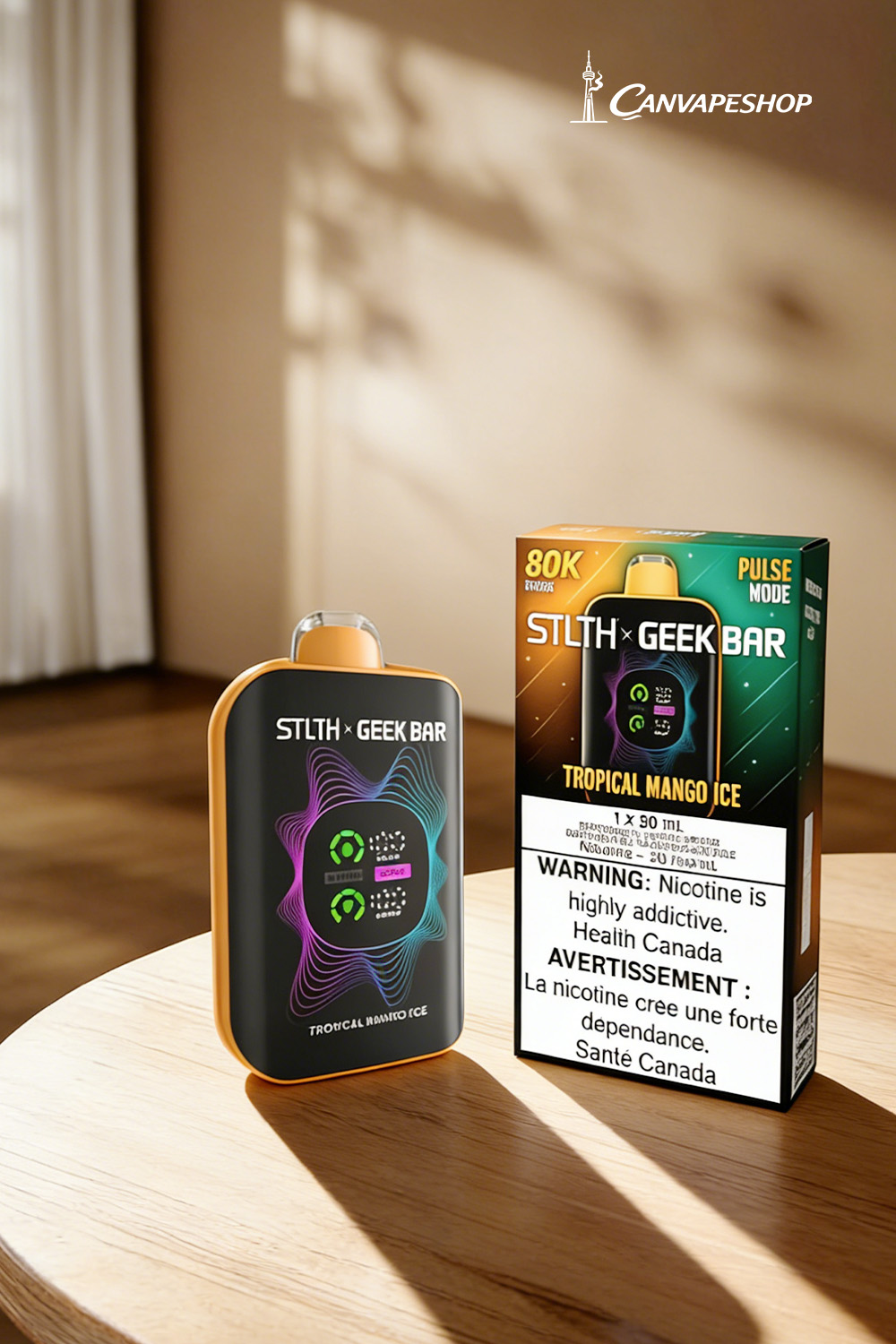
7. The Nicotine Salt Shift: How JUUL Changed the Game
While the hobbyists were blowing clouds, the mass market was waiting for something simpler. In 2015, Pax Labs introduced the JUUL.
The Chemistry Breakthrough Before JUUL, vapes used "Freebase Nicotine," which was harsh on the throat at high strengths. JUUL introduced Nicotine Salts—nicotine combined with benzoic acid. This chemistry allowed for very high nicotine strengths (50mg) to be inhaled smoothly.
The Impact
-
Portability: The device was a tiny USB stick.
-
Satisfaction: For the first time, a vape hit truly felt like a cigarette hit in terms of speed and intensity.
This invention paved the way for the modern "Pod System" and essentially killed the "Box Mod" market for the general public.
8. The Form Factor Wars: The Evolution of Disposables, Pods, and Open Systems
While the internal technology (batteries and coils) was improving, a separate battle was being fought over the shape and usability of the devices. The market has swung like a pendulum between "Convenience" (Disposables/Pods) and "Customization" (Open Systems).
Understanding this cycle explains why the vape you buy today looks the way it does.
Phase 1: The "Cigalike" Failure (The First Disposables)
Timeframe: 2007 – 2011
When vaping first hit the mass market, manufacturers were obsessed with mimicry. They believed that for smokers to quit, the device had to look exactly like a Marlboro or Camel cigarette.
-
The Design: Small, white plastic tubes with a glowing orange LED tip. They were mostly disposable or had tiny screw-on cartridges.
-
The Reality: They were a commercial failure in the long run. The batteries were too small to heat the liquid properly, resulting in a wispy, unsatisfying vapor. They were expensive and ended up in the trash quickly.
-
The Verdict: Smokers realized that looking like a cigarette wasn't enough; it had to hit like one.
Phase 2: The Open System Revolution (Refillable Tanks)
Timeframe: 2012 – 2016
Frustrated by the weak performance of Cigalikes, the market swung to the opposite extreme: The Open System. This was the era of the "Vape Pen" (eGo style) and later the "Box Mod."
-
How it worked: Users bought a device, a separate bottle of e-liquid, and replacement coils. You had to unscrew the tank, pour in the liquid, and press a button to vape.
-
Why it took over:
-
Cost: It was drastically cheaper. A $20 bottle of liquid lasted weeks, whereas disposable cartridges lasted hours.
-
Flavor: This gave birth to the thousands of e-liquid flavors we know today.
-
Performance: Finally, vapers could get a strong throat hit and visible clouds.
-
-
The Downside: It was messy. Leaking tanks, sticky fingers, and burnt coils scared away many older smokers who just wanted a simple fix.
Phase 3: The Closed Pod System (The "JUUL" Effect)
Timeframe: 2015 – 2019
The pendulum swung back toward convenience, but this time with better technology. The Closed Pod System (or Pre-filled Pod) was born.
-
The Innovation: Instead of refilling a messy tank, users simply clicked a magnetic plastic pod onto a battery. When the pod was empty, you threw it away and clicked in a new one.
-
The Market Shift: Devices like JUUL (in the US) and RELX (in Asia) dominated. They combined the convenience of the early Cigalikes with the performance of Open Systems (thanks to Nicotine Salts).
-
The Appeal: It was discreet, stylish, and required zero knowledge of "ohms" or "watts." This form factor brought vaping to the mainstream masses.
Phase 4: The Disposable Renaissance (The Modern Era)
Timeframe: 2019 – Present
In a surprising twist, the market has circled back to Disposables, but these are nothing like the cheap "Cigalikes" of 2007.
-
The Catalyst: In 2019-2020, strict regulations in the US and other regions began banning flavors in Closed Pod Systems (like JUUL). However, a regulatory loophole often left "Disposable" devices unregulated. Manufacturers seized this opportunity.
-
The Evolution:
-
Gen 1 (Puff Bar): Small sticks, barely better than Cigalikes.
-
Gen 2 (Elf Bar/Geek Bar): The shape changed to a "Box" or "Flagon." Battery life increased to 600-1000 puffs.
-
Gen 3 (The Super Disposable): This is where we are now with products like the IGET Bar Pro. These devices feature Mesh Coils (for intense flavor), Rechargeable Batteries (USB-C), and massive liquid capacities (5000+ puffs).
-
-
Why they are winning: They offer the flavor intensity of an Open System with the ease of use of a Closed Pod, often at a lower entry price point.

How to Integrate This into the Article:
-
Placement: Insert this new section after the section about "Nicotine Salts" and before the section "The Modern Era."
-
Transition: You can introduce this section by saying: "But chemistry wasn't the only thing changing. The physical shape of the vape—the 'Form Factor'—was undergoing its own dramatic evolution."
-
SEO Update: This addition allows you to rank for keywords like:
-
Open vs Closed pod systems history
-
Evolution of disposable vapes
-
History of vape mods
-
Cigalike vs Pod system
-
Updated Conclusion (Optional Polish):
You might want to slightly tweak the conclusion to reflect this new section:
"From the failed 'Cigalikes' of the early 2000s to the messy but powerful 'Box Mods', and finally to the sleek, high-performance Disposables of today like the IGET Bar Pro, the industry has never stopped evolving.
Today, we stand at the peak of this evolution. Whether you prefer the customization of a Refillable Pod or the grab-and-go ease of a Modern Disposable, Canvapeshop stocks the winners of this historical 'Form Factor War'."
9. The Modern Era: Disposables, AI, and Reliability (2019-Present)
We are now in the era of refinement. The market has swung back from complicated mods to ultimate convenience: The Disposable Vape.
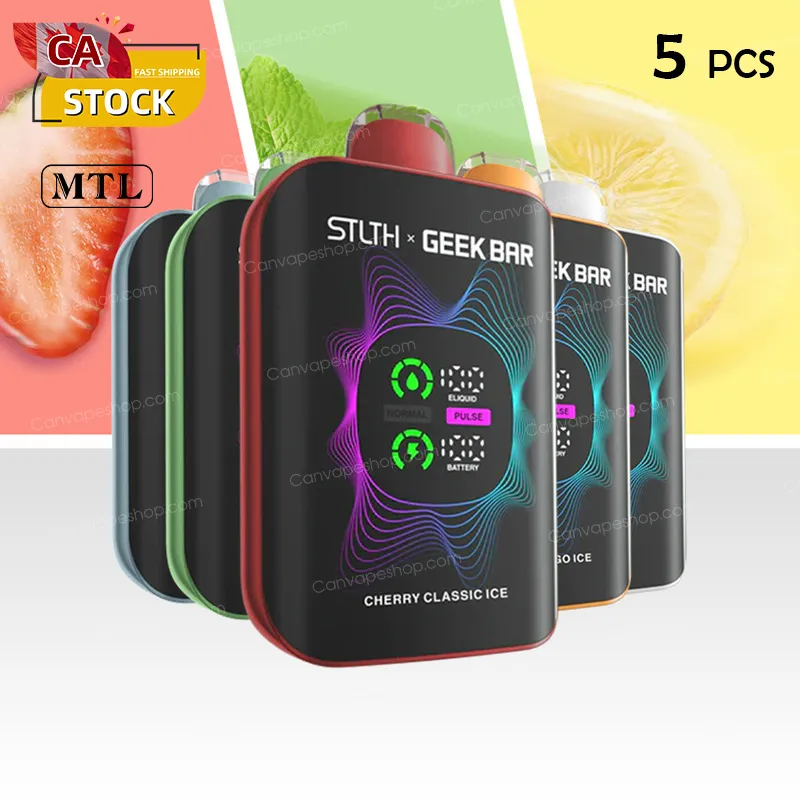
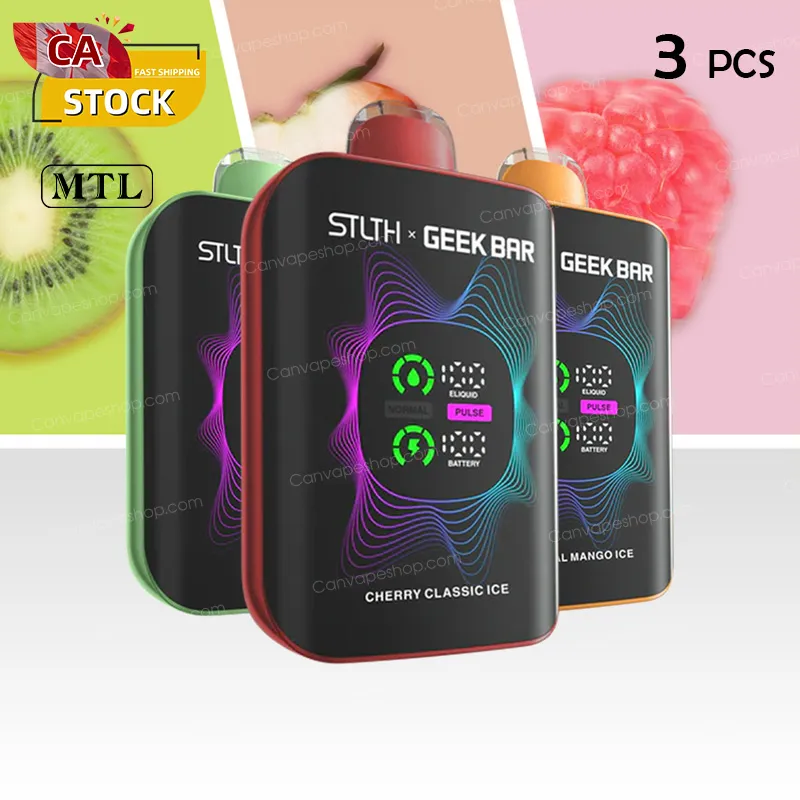
The Rise of Disposables (Elf Bar, IGET, Geek Bar) Brands realized that users didn't want to change coils or refill pods. They wanted to open a box and vape.
-
Mesh Coils: Modern disposables use Mesh technology (a grid instead of a wire), providing incredible flavor consistency that old vapes couldn't dream of.
-
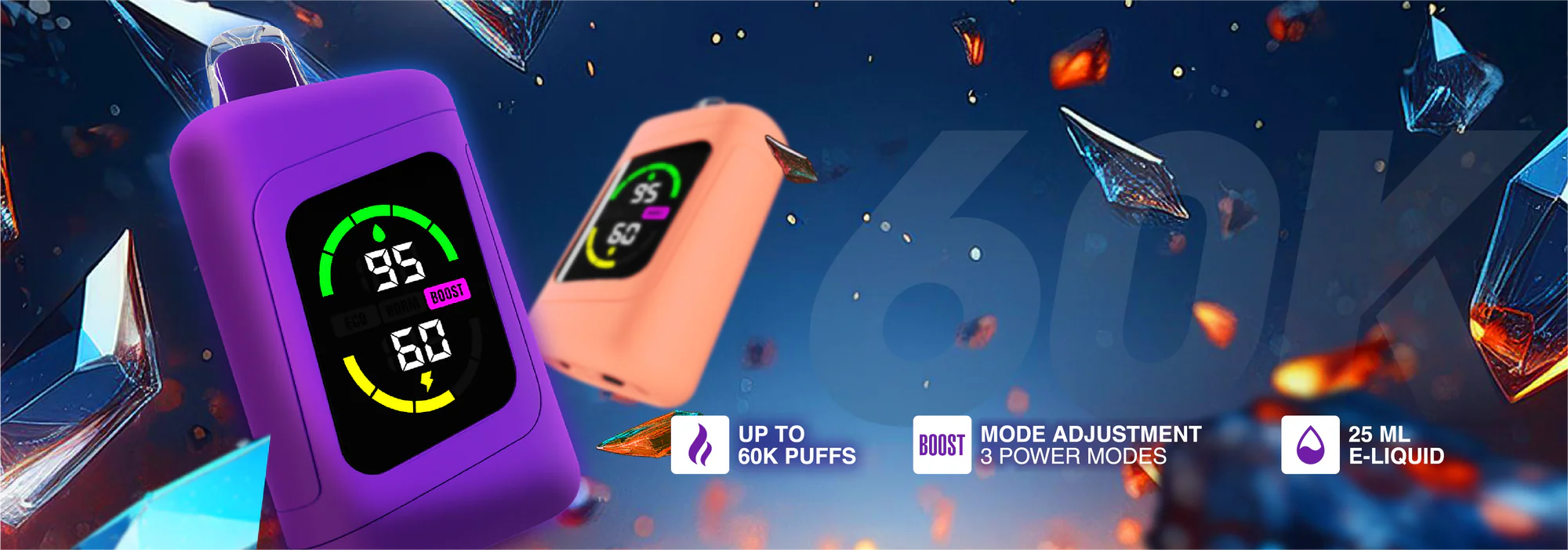
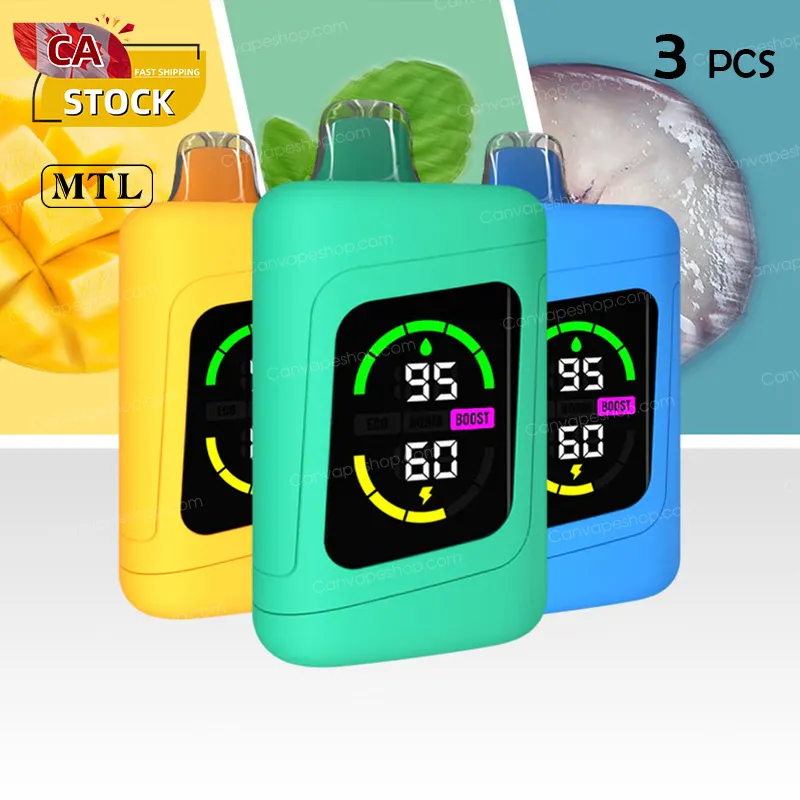
High Puff Counts: From the early 300-puff bars, we now have 10,000+ puff devices with digital screens showing battery life and e-liquid levels.
AI and Smart Vapes The latest frontier is "Smart Vaping." New chips can prevent dry hits, auto-adjust power based on your draw, and even connect to phones. We are seeing devices that are safer, smarter, and more satisfying than ever before.
10. Why the Future of Vaping Belongs to Trusted Retailers
The history of vaping is a story of moving from the "Wild West" (exploding batteries, unknown liquids) to a regulated, safe, and professional industry.
In the early days, you had to order from sketchy websites and wait months for shipping from overseas, hoping the customs agents wouldn't seize your package. Today, the standard has changed.
The Canvapeshop Standard As we look to the future, the focus is on Service and Security. This is where Canvapeshop stands as a leader in the Canadian market.
-
Local Logistics: We operate a fully stocked warehouse in Toronto. This means when you order the latest IGET or geekvape product, it isn't crossing an ocean—it is coming from your backyard.
-
Shipping Reliability: We understand the frustration of lost packages. That is why we offer AIG Shipping Protection on our orders. In the rare event a package is lost or damaged, your investment is insured.
-
Curated Quality: We don't sell "Screwdriver mods" made in a garage. We stock only authentic, lab-tested products that represent the pinnacle of vaping history's evolution.
The history of vaping was about inventing the technology. The future of vaping is about delivering that technology safely and quickly to your door.
11. FAQ: Common Historical Questions
Q: Was vaping really invented in the 1960s? A: The concept and patent existed (Herbert Gilbert, 1963), but the commercial product did not. It was a "paper invention" that never reached consumers.
Q: Why are modern vapes so much better than the early ones? A: Three factors: Lithium-ion batteries (more power in less space), Mesh Coils (better heating surface area), and Nicotine Salts (smoother absorption).
Q: When did vaping become popular in Canada? A: Vaping started gaining traction in Canada around 2010 with "Ego" pens, but the massive boom occurred between 2015 and 2018 with the arrival of Sub-Ohm tanks and later Nicotine Salts.
Q: Is the technology still changing? A: Yes. We are currently seeing a shift toward "Dual Mesh" systems and eco-friendly components in disposables to address environmental concerns.
Conclusion
From Scythian hot stones to Hon Lik’s dream, and finally to the sleek, screen-equipped devices we hold today, the history of vaping is a testament to human innovation in the face of a health crisis.
We have come a long way from the leaky, plastic tubes of 2007. Today, vaping is a mature technology offering a genuine alternative to combustible tobacco. Whether you are a history buff or just someone looking for a reliable smoke-free alternative, you are benefiting from 60 years of innovation.
Ready to experience the latest chapter in vaping history? Visit Canvapeshop today. With our Toronto-based warehouse and AIG-protected shipping, we ensure the best technology arrives safely in your hands.